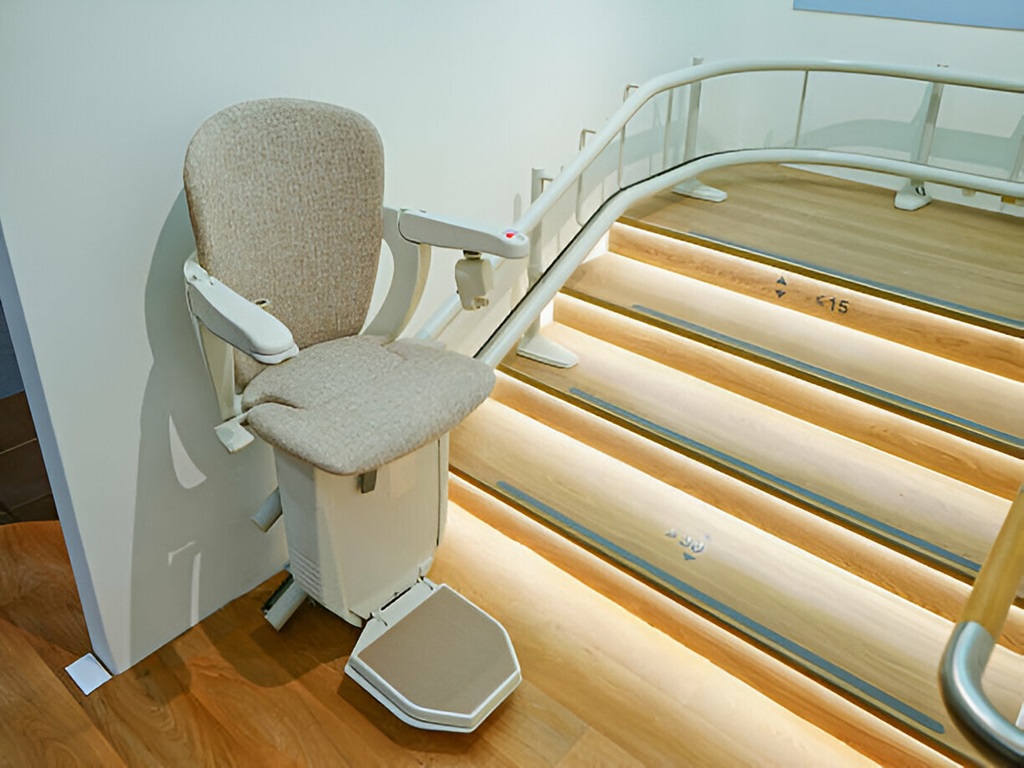
Stair lifts have become an essential mobility solution for many homeowners. These devices offer a safe and convenient way to travel between floors for individuals with mobility issues. Installing a stair lift can seem daunting, but with the right preparation and support, it becomes a task that leads to a more accessible home environment. This article will walk you through the simple steps involved in the installation process of a home stair lift.
Initial Consultation and Assessment
The first step in installing a stair lift is a professional consultation and assessment. This typically involves a visit from a stair lift expert who will evaluate your home’s staircase. They will assess the staircase’s size, shape, and structure to determine the most suitable stair lift model. Additionally, they will discuss specific needs and preferences to ensure the stair lift chosen will provide the maximum benefit and comfort.
Choosing the Right Stair Lift
After the assessment, the next step is selecting the right stair lift. There are various types, including straight, curved, and outdoor models. Straight stair lifts are suited for linear staircases, while curved models are designed for staircases with turns or landings. The selection will be based on the initial assessment, focusing on your staircase configuration and any special requirements.
Ordering and Customization
Once the stair lift type is chosen, the ordering and customization phase begins. Some stair lifts are ready-to-install, especially for straight staircases, but others may need customization, particularly for curved staircases. Custom models are tailored to fit the exact dimensions and contours of your staircase, ensuring a perfect fit. The customization process often includes choosing features like seat style, color, and additional safety features.
Preparing for Installation
Before the installation day, preparing your home is essential. This typically involves clearing the staircase of any obstructions and ensuring the area is clean and easily accessible. Removing objects like rugs or furniture near the staircase will make the installation process smoother and safer.
Professional Installation
Once everything is set, a team of professional installers will carry out the installation. They will bring the necessary equipment and tools to ensure a precise and secure fit. The installation process usually takes a few hours, depending on the complexity of the stair lift model. The professionals will ensure that the stair lift is securely attached to the stairs, leaving no damage to your walls.
Testing and Demonstration
After the stair lift is installed, the installers will conduct thorough testing to ensure it functions correctly. They will demonstrate how to use the stair lift safely, including operating controls and using safety features. This demonstration ensures you are comfortable and confident in using your new device.
Maintenance and Support
Once the installation and testing are complete, ongoing maintenance and support are vital. Most stair lifts require minimal maintenance, but regular checks ensure they operate smoothly and safely. Many companies offer service plans and customer support to address any issues or repairs needed over time.
Conclusion
Installing a stair lift can significantly enhance mobility and independence for individuals with physical limitations. By understanding each step of the installation process, from consultation to maintenance, you can ensure a seamless transition to a more accessible living environment. With professional assessment and installation, a new stair lift will provide reliable and safe transportation between floors in your home.